The Unspoken Tradeoffs Sites Make to Hit Startup Timelines
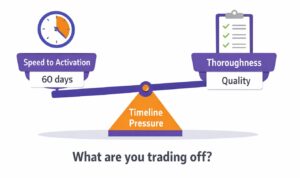
Research sites make hidden compromises to meet sponsor timelines. Learn the 5 most common startup tradeoffs, which ones create downstream risk, and how PIs can make informed decisions.

Time to First Patient, a monthly note for teams running study startup. Subscribe

Research sites make hidden compromises to meet sponsor timelines. Learn the 5 most common startup tradeoffs, which ones create downstream risk, and how PIs can make informed decisions.

Study startup performance collapses at Study #3 due to the Coordination Tax. Learn the 5 warning signs, which operations break first, and a 90-day fix that cut activation time by 46%.

How to Know If Your Timelines Are Good, or Just Normalized Delays — Learn to Benchmark Your Study Startup Performance Against Internal Trends, Industry Averages, and Efficiency Standards So You Know Where You Really Stand

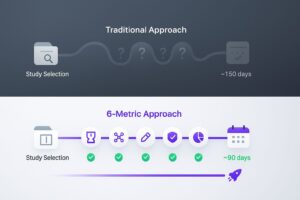
Stop tracking 20 metrics across 5 spreadsheets. Here’s what actually predicts study startup delays and how to fix them before anyone asks.

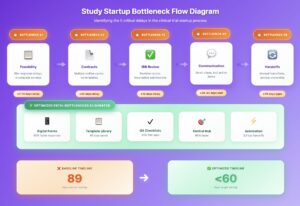
Top-performing sites activate studies in under 60 days while the median is 89 days. The difference? They’ve systematically eliminated five critical bottlenecks: feasibility delays, contract negotiations, IRB reviews, communication gaps, and task
handoffs. Here’s their playbook.

Stop measuring milestone dates. Start tracking the hidden bottlenecks that cause 80% of trials to miss enrollment timelines.